• Published on

    Attack from Mars

    Picture

    I wish this blog post meant that I had bought an Attack from Mars (Bally, 1995) and was restoring it for my own pleasure. But alas, no! This was a mini restoration for a customer who had purchased the game, taken it apart in preparation for restoration, but was never able to complete the project. So, I offered to help and get the game back together for the first time in over ten years. This project was a little different to previous restorations, as I was starting with a blank playfield and boxes of parts, with no reference photos of my own. Plenty of fun to be had. It helps that Fiona also loves Attack from Mars, so this was a good chance to give it a thorough playtest!

  • Published on

    Bally Star Trek Circuit Board Repairs

    Picture

    I've been repairing a few classic Bally games lately, so it's only fitting that this one came into my care recently. Star Trek (Bally, 1979) has some cool playfield features including a saucer which spits the ball out into the pop bumpers, and a free ball return lane. Star Trek appears to be the only Bally solid state game that had a free ball return lane feature, and it was a great way to rack up scores by collecting bonuses continuously. The "Where No Man Has Gone" horseshoe at the top left of the playfield was also a cool gimmick, causing the left pop bumper to fire the ball back at the left flipper.

    This will be a relatively short blog post as this restoration was focused mainly on circuit board repairs and upgrades. Only minor playfield repairs were conducted, and the machine was otherwise in good, playing condition. The playfield was stripped and cleaned, various broken parts were replaced, and the flipper assemblies were also rebuilt. However, there's nothing particularly exciting about any of that. Instead, I intend for this blog post to serve as a generic reference for those troubleshooting classic Bally boardsets and to explain some of the basic modifications and upgrades I perform.
  • Published on

    Bally Playboy

    Picture

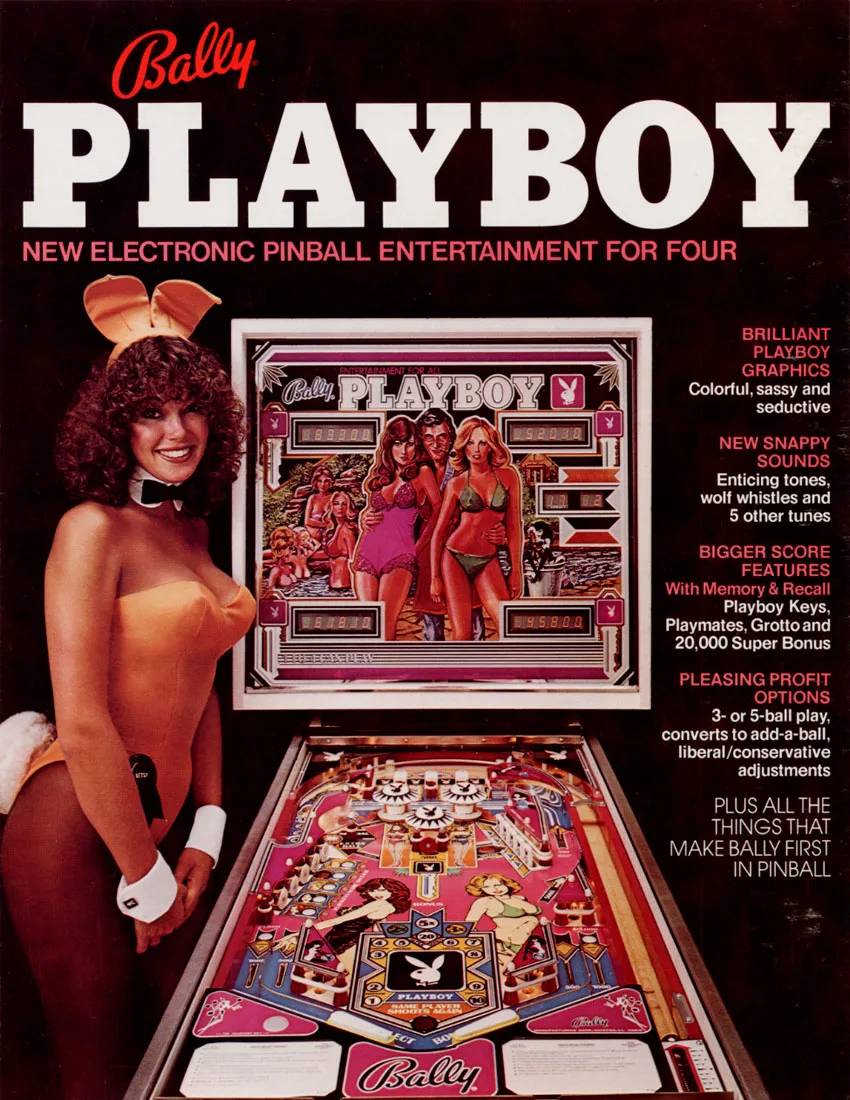
    If you ever need proof that pinball was made for adolescent men, look no further than Playboy (Bally, 1978). As gaudy as this theme seems now, it remains a great example of a classic Bally game. There is a reason they made over 18,000 of these - they were fun! The standup targets on one side coupled with the drop targets on the other side made this a fun shooting game. This game was given to me to repair by an elderly customer who had stored it outside in his pergola for many, many years. I initially attended his house for a service call, but was then advised that he wanted the machine to be refurbished and brought back to playing condition. However, this customer did not want to spend a huge amount on the game, so I had to tackle this repair with budget in mind. 

  • Published on

    Six Million Dollar Man

    Picture

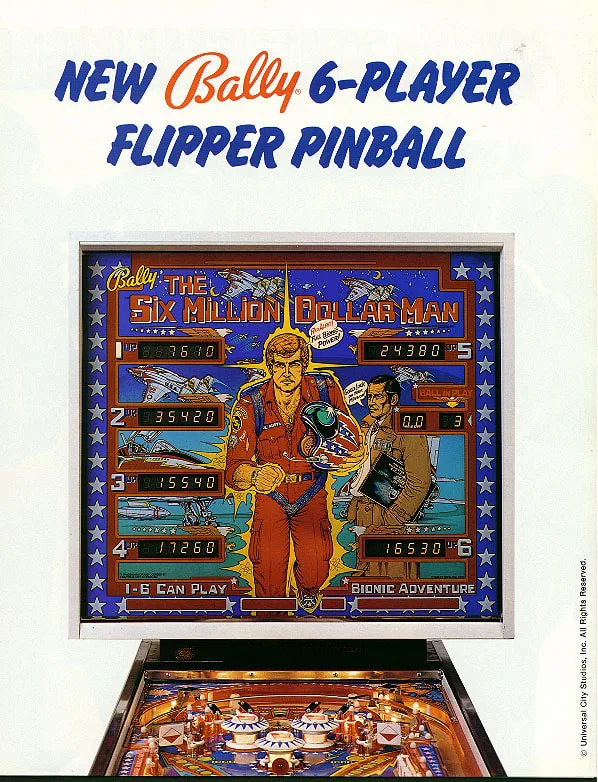
    Let's finish off the year by repairing a classic Bally game! But first, I've got to be honest. I've never been much of a fan of late 70s/early 80s Bally games. I generally find the blips and tunes of the early sound boards grating, which makes them hard to play for any length of time. Some say it adds to the nostalgia, but having no nostalgic connection to these games, I can safely say I prefer the sounds of traditional chimes or modern digital stereo. That said, Bally games are classics in terms of gameplay and artwork, so it was a pleasure to get to work on this one for a customer: Six Million Dollar Man (Bally, 1978). This machine had not been working ever since the customer got it from a relative, and they wanted it up and running for their 60th birthday party in a few weeks. We were on a deadline, and there was lots to do!
  • Published on

    Judge Dredd

    Picture

    Time to lay down the law! Judge Dredd was the last Bally/Williams machine I had left to restore of my original road trip haul. I had left it to last mainly because the look of all the ramps criss-crossing the playfield, the idea of having to fiddle with the Deadworld, and the sheer size and weight of the damn thing all told me that this would be a painful restoration. Just looking at it and comparing it to Demolition Man (Williams, 1994), my only other widebody game, the Judge Dredd playfield was packed with more features and more mechanisms, which meant more to clean and more to service. But, as always, I was up for the challenge!
  • Published on

    Doctor Who #2

    Picture

    It has been just over a year since I restored my first Doctor Who (Bally, 1992), so I guess it is fitting that I'm now finishing up restoring my second. My first Doctor Who was purchased by a local collector and, since I sold it, has been treated to a new layer of clearcoat on the playfield, LEDs, a USB TARDIS, opto improvements, and a host of other upgrades. Just when you think there's nothing else to do to a machine, someone does some more! I'm glad it made its way into good hands.

    There was a reason that I restored this machine second. This machine was in much poorer shape than the first and required a bit more work to get it into a presentable state. But with the experience of the first Doctor Who restoration, and now with some additional experience from the two Fish Tales restorations, I thought I may as well finish dealing with the doubles of all my machines and get this Doctor Who back into action.